Paid social marketing success today depends on reaching the right audiences across the right platforms while building relevance in an AI-driven world.
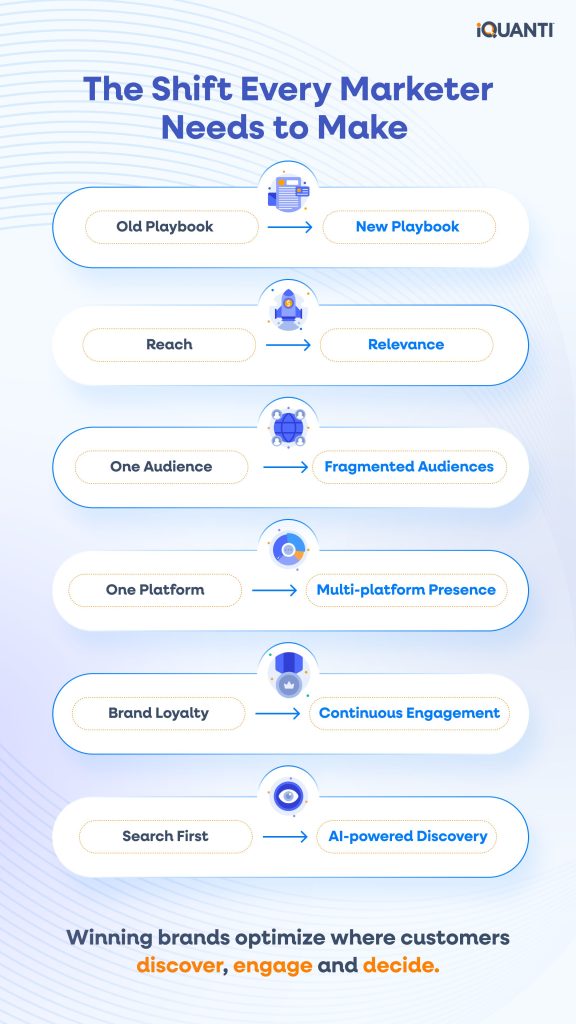
For years, paid social marketing followed a familiar playbook. Brands invested heavily in a handful of dominant platforms, relied on increasingly sophisticated algorithms, and measured success through reach, impressions, and conversions. That approach worked because audience attention was concentrated, platforms were predictable, and strong brand recognition fostered lasting customer loyalty.
Today, that landscape has changed for paid social ads. Audience fragmentation, AI-powered discovery, and evolving consumer behavior are reshaping how people discover, evaluate, and trust brands. Consumers move seamlessly across multiple digital platforms, while generative AI is becoming an important part of the buying journey. To stay competitive, brands must rethink paid social media advertising as part of a broader digital marketing strategy.
Three Forces Reshaping Paid Social Advertising
Three major shifts are redefining paid social advertising and marketing.
- Audience Fragmentation
Consumers no longer spend most of their time on one platform. They split attention across social networks, creator communities, streaming services, and niche platforms. Success now depends on understanding where audiences are actively engaged, not simply where they exist.
- AI-powered Discovery
AI search and conversational assistants are transforming brand discovery. Consumers increasingly begin their research with AI, which combines information from editorial content, reviews, creator discussions, and brand-owned content. Visibility depends on the quality of the signals surrounding your brand.
- Declining Brand Loyalty
Consumers have more choices and fewer reasons to stay loyal. Competitive advantage now comes from relevance, trust, and consistently delivering value rather than relying on brand familiarity.
Rethinking Platform Strategy
Many organizations still allocate social budgets based on historical performance or familiarity. That approach limits growth.
An effective paid social strategy begins with understanding audience behavior. Demographics still matter, but behavioral signals reveal where consumers actively engage, discover products, and make purchase decisions.
Creative execution is equally important. Every platform has its own content style and user expectations. Native creatives consistently outperform content repurposed from other channels because it feels authentic to the platform experience.
Marketers should also evaluate platforms based on measurement capabilities, attribution of quality, competitive intensity, and long-term business value. Every investment should support broader marketing performance, not just campaign metrics.
Beyond a Meta-first Strategy
Meta remains one of the strongest advertising ecosystems, but depending on a single platform creates unnecessary risk. Successful multi-platform marketing is about building a balanced portfolio where each platform serves a distinct purpose.
- TikTok drives cultural discovery and reaches highly engaged younger audiences through recommendation-based content.
- Pinterest captures users with strong commercial intent who are actively planning and considering purchases.
- Reddit generates authentic conversations that influence buying decisions while strengthening brand authority through trusted community discussions.
- LinkedIn offers unmatched B2B targeting based on industry, job function, seniority, and professional interests.
- Connected TV and digital audio complement social campaigns by reaching audiences in high-attention, immersive environments.
The objective is not to be present everywhere. It is to invest where your highest-value audiences spend their most engaged time.
Winning Visibility in an AI-powered Discovery Ecosystem
The growth of large language models has expanded the role of paid social marketing.
Paid campaigns do not directly influence AI recommendations, but they help generate the digital signals AI uses to evaluate credibility. Creator partnerships, authentic conversations, customer reviews, and valuable brand content all contribute to stronger brand authority.
Community platforms have become especially valuable because they generate trusted, continuously updated discussions that shape both consumer perception and AI-generated responses.
As AI-powered discovery continues to evolve, paid social media advertising becomes more than a performance channel. It becomes an investment in long-term visibility, credibility, and influence.
Relevance Is the New Competitive Advantage
The fundamentals of marketing have not changed. Brands still need to understand their audiences, create meaningful experiences, and measure outcomes that matter.
What has changed is the environment. Brands that challenge outdated assumptions, invest in platform-specific creative, embrace AI-powered discovery, and build an integrated performance marketing strategy will be better positioned for sustainable growth.
The future of paid social marketing will not belong to brands that spend the most. It will belong to brands that stay relevant, adapt quickly, and build lasting brand authority across every stage of the customer journey.
Frequently Asked Questions
- Why is traditional paid social media marketing becoming less effective?
Paid social media marketing must adapt to fragmented audiences, AI-driven discovery, and declining brand loyalty, making relevance more valuable than scale.
- How should brands rethink paid social media advertising in the AI era?
Paid social media advertising should prioritize platform-specific strategies, authentic engagement, and brand authority that support both campaign performance and AI visibility.
- Why is a multi-platform strategy critical for paid social media success?
Consumers engage across multiple platforms throughout their decision journey, making a diversified paid social media strategy essential for sustainable growth and resilience.
- What defines an effective paid social marketing strategy today?
An effective paid social marketing strategy balances audience behavior, creative relevance, measurement quality, platform fit, and long-term business objectives.
- How does paid social media marketing support AI-powered discovery?
While it does not directly influence AI recommendations, paid social media marketing generates trusted signals that strengthen brand credibility across AI-driven discovery ecosystems.
- What will differentiate successful paid social media advertising strategies going forward?
The strongest paid social media advertising strategies will combine platform fluency, AI-aware planning, creator-led engagement, and integrated performance measurement to drive long-term growth.
This article is adapted from the latest edition of iQuanti Quarterly. Read the full report for deeper insights and analysis.